
Board Brief
January 2026
Designed for Club Board of Directors

Inside this Issue:
-
Insights: Generation Gaps in Your Club: Intergenerational Harmony and Where You Find It
Generational differences have become painfully obvious within many private clubs leaving club managers and their staff caught squarely in the crossfire -
By the Numbers: Strategic Financial Drivers and Key Performance Indicators
From July 2024 to June 2025, CMAA and Club Benchmarking collected data from more than 1,200 clubs for the 2924 Club Finance and Operations Survey. -
Best Practices: Member Legacy Succession Planning: The Emerging Challenge for Legacy Membership at Clubs with Real Estate
Over the past decade, in our work with private clubs and residential communities, we've observed a recurring issue: many clubs lack a clear plan for how membership is passed down or transferred when it is tied to real estate ownership. -
External Influences: DHS and DOL Release Fewer Additional FY2026 H-2B Visas
On December 31, 2025, the Departments of Labor and Homeland Security announced their intent to release 35,000 additional H-2B visas for Fiscal Year (FY) 2026. -
Podcast Spotlight: Growing in the Gap between the Golf Professional and Superintendent
At your club, there are two individuals who share one goal but have differing responsibilities that might seem to be cross purposes at times, the Golf Professional and the Superintendent. -
CMAA News & Announcements: The Upcoming 2026 CMAA World Conference & Club Business Expo: A Growth Opportunity for Club Management Professionals
The 2026 CMAA World Conference & Club Business Expo is coming up. Club management professionals from around the world will gather February 17-21, 2026, in Anaheim, CA, for the industry’s largest annual gathering.

Insights
Generation Gaps in Your Club: Intergenerational Harmony and Where You Find It
Generational differences have become painfully obvious within many private clubs leaving club managers and their staff caught squarely in the crossfire. Several causes explain the generation gaps with which club managers are dealing and three important solutions are available to minimize the distress caused by three generation gaps.
Causes of Generation Gaps within Private Clubs
Most private clubs and the residential communities in which they are located have a time-stamp orientation when they were established, when they went to the market, and when members’ expectations were established. It is important for club management professionals to understand the impacts of time and timing in their clubs. Most club members oppose change and want the club to stay what they joined many years ago.
Several decades have been central to the formation of private clubs. First, there were the long-tenured clubs formed in the late 1800s and early 1900s. Then World Wars, the Great Depression, and other factors largely slowed club development until the post-war boom driven by golf’s surging popularity at the convergence of television and Arnold Palmer. Another boom period of private clubs emerged in the 1990s and early 2000s driven largely by a surging housing economy before the Lehman Brothers collapse and the Great Recession. The count of private clubs, of all sorts, reflects these cyclical influences.
The most recent surge, the novel coronavirus pandemic, accelerated change in most clubs and exposed changing generational expectations in many clubs.
Each generation brought with it—or inherited—imbedded expectations of what their clubs should be, how their clubs should accommodate these expectations, and the pricing/value proposition of their clubs. A profile snapshot of generational orientation is shown below:
- Baby Boomers (born between 1946 and 1964)
- Generation X (born between 1965 and 1980)
- Millennials (born between 1981 and 1996)
- Generation Z (born between 1997 and 2012)
Many clubs were created by Baby Boomers who are now aging out of their clubs. As a broad generalization, Boomers continue to dominate most club governance while Gen X members begin to be seated on club boards.
Very broad generational differences are observed in private clubs:
- Boomers want to keep their clubs “as is” and hope to see very little capital needs from their clubs.
- Boomers usually oppose capital projects and deny their slow replacement of decades-old capital assets.
- Boomers argue that they should not be required to pay for assets and benefits that they will not use while successor generations are asking that the Boomers simply “pay up for their past years of usage.”
- Gen-Xers and Millennials see tired and outdated club amenities with an eye for immediate investment, updates, and upgrades.
Generational differences require club leaders and management professionals to be alert, understanding, and respectful. Boomers are the history of most clubs while rising generations are the future for the same clubs.
Read the February issue of Board Brief for Part Two, where we will identify and discuss solutions that are proving effective for innovative private clubs.
Insights by Henry DeLozier, Partner, GGA Partners

By the Numbers
Strategic Financial Drivers and Key Performance Indicators
From July 2024 to June 2025, CMAA and Club Benchmarking collected data from more than 1,200 clubs for the 2024 Club Finance and Operations Survey. In this edition of Board Brief, we will examine some of the strategic, mission-critical financial drivers and their associated Key Performance Indicators (KPIs). The effort to identify and formalize these metrics began in 2009 and continues to evolve through ongoing research and industry collaboration.
The insights presented here are essential for the effective management and governance of private clubs, particularly those that are member-owned. Many of the concepts were first introduced by Club Benchmarking in 2015. While the terminology may be relatively recent, the KPIs themselves are enduring. Clubs that have proactively identified and tracked these metrics tend to deliver a stronger member experience, while those that have not often face challenges in sustaining member satisfaction over time.
This section addresses the following foundational topics, each critical to strategic financial management:
- Definition of the Operating and Capital Ledgers
- Purpose of the Operating Ledger and its KPIs
- Purpose of the Capital Ledger, Balance Sheet, and related KPIs
Defining the Operating and Capital Ledgers
During the budgeting process, most clubs distinguish between operating and capital ledgers:
- Operating Ledger: Tracks revenue and expenses related to day-to-day club operations.
- Operating Revenue includes dues (approximately 50 percent of total operating revenue in clubs with golf, and 40 percent in clubs without golf) and ancillary departmental fees, most notably Food & Beverage (F&B), which contributes roughly 30 percent in golf clubs and 40 percent in non-golf clubs.
- Operating Expenses include payroll, general and administrative (G&A) costs, building maintenance, and fixed charges such as real estate taxes, insurance, and interest on debt.
- Capital Ledger: Accounts for capital income and expenses, including depreciation, lease expenses, interest expenses, and lease obligations.
- Capital Income sources include initiation fees, recurring capital dues, assessments (temporary by nature), debt service income (allocated to members over the life of the loan), investment income from reserves, and other sources such as land sales or donations.
- Capital Expenses are tied to long-term investments and appear as depreciation and lease-related debt. Clubs are now required to capitalize leases in accordance with FASB ASU 2016.02.
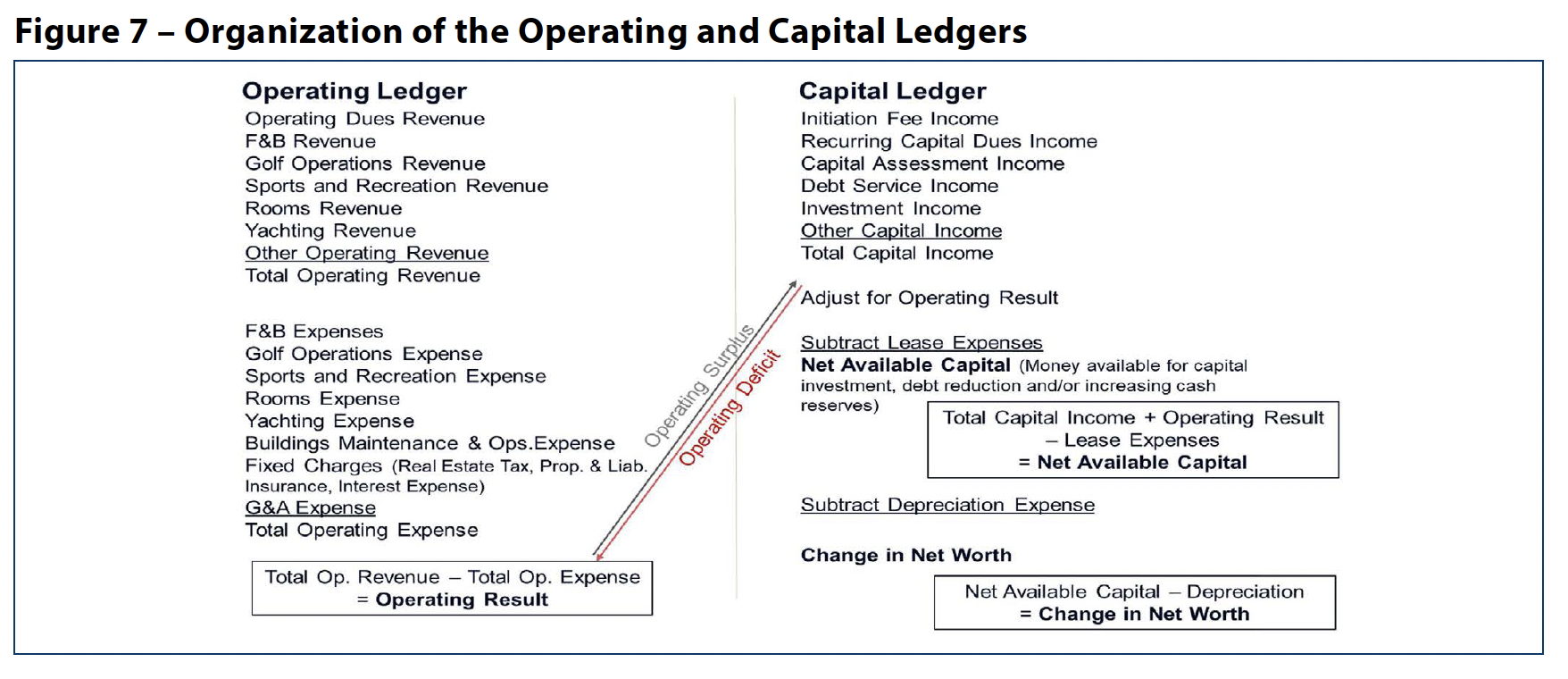
Figure 7 presents the Club Benchmarking Financial Insight Model, which serves as the framework for ensuring consistent data mapping across all clubs in the database. This model is foundational to the strategic analysis and benchmarking presented throughout this report.
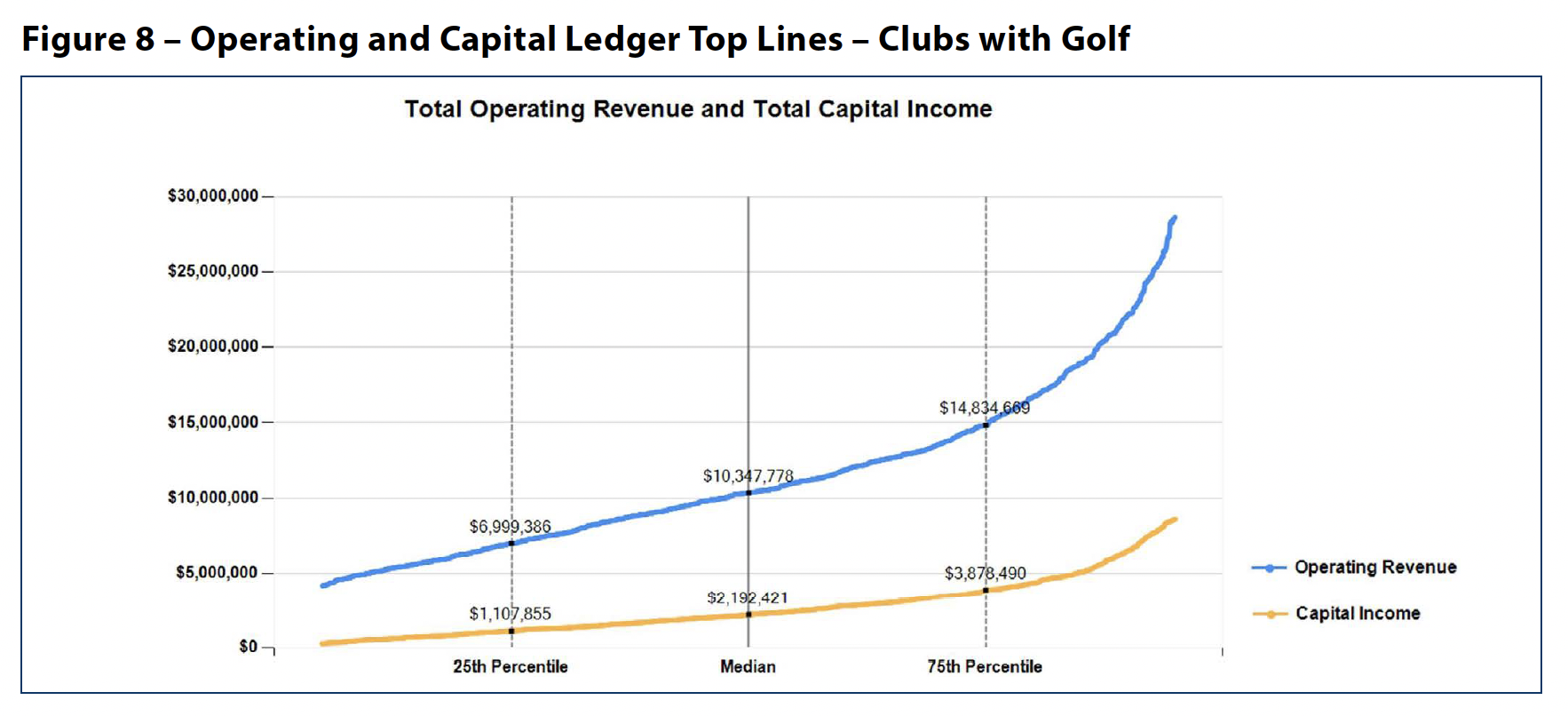
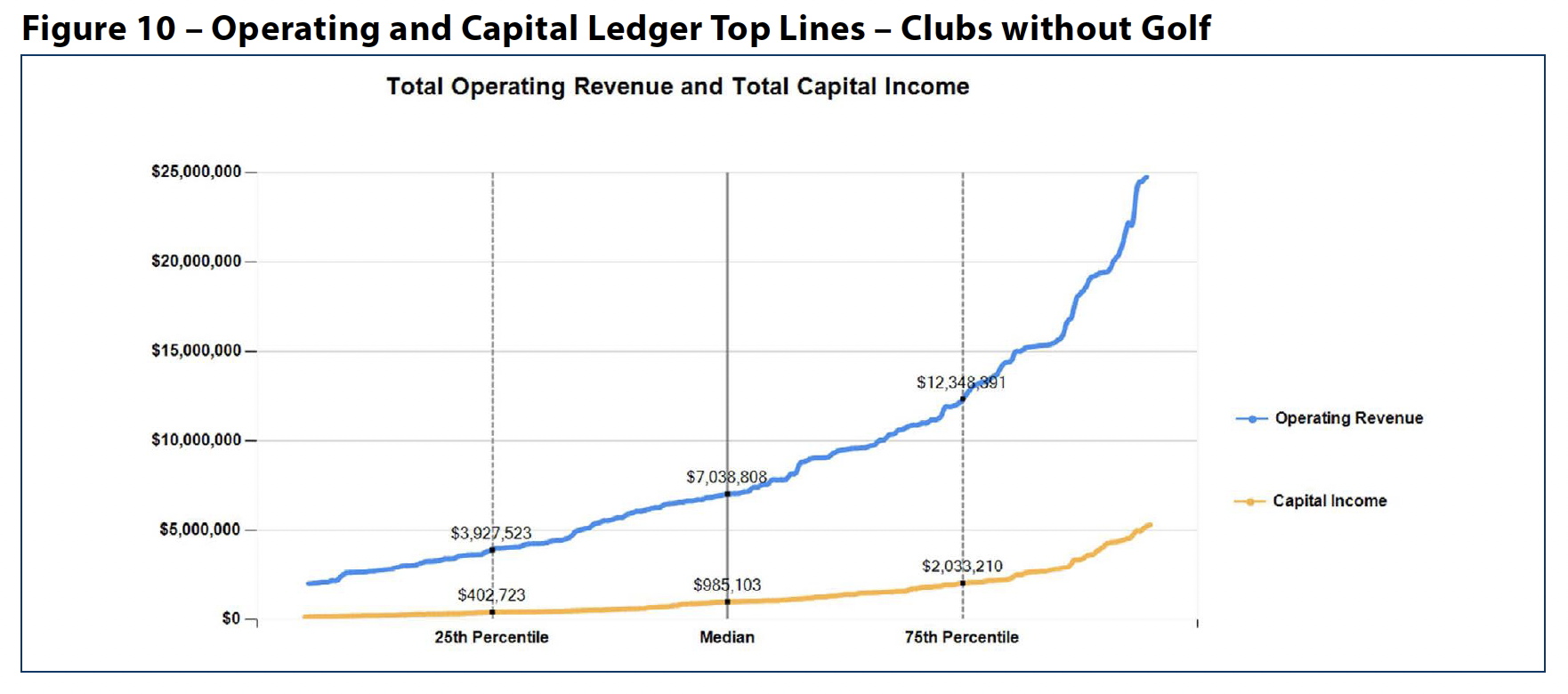
Figure 8 presents the top-line financial data, Operating Revenue and Capital Income, for clubs with golf, while Figure 10 provides the same overview for clubs without golf. These figures offer a high-level view of the financial structure across club types.
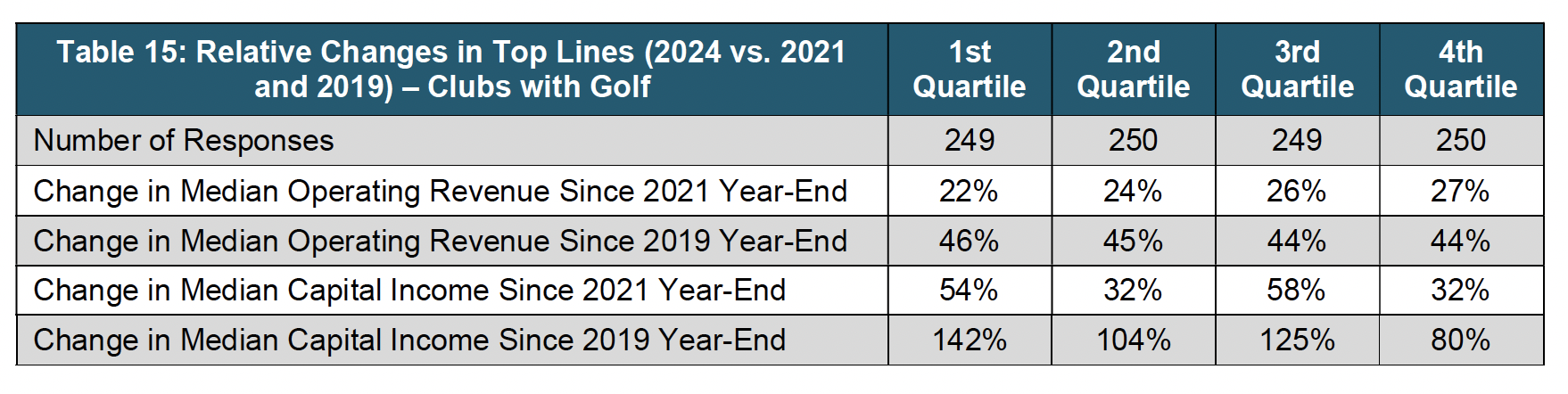
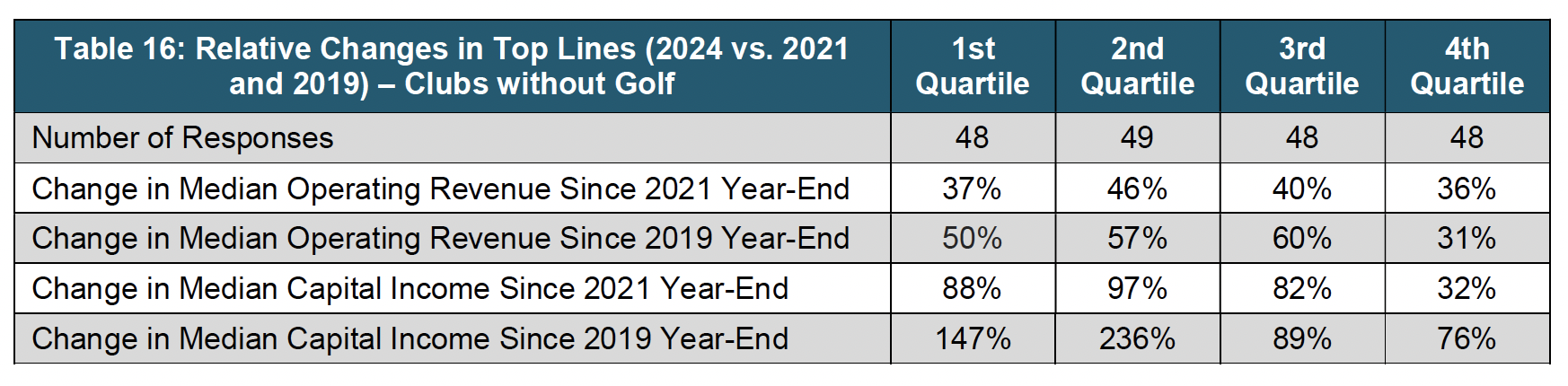
The data in Tables 15 and 16 reflect fiscal year-end results between July 1, 2024, and June 30, For clubs that had not yet submitted 2024 data at the time of reporting, their 2023 fiscal yearend data have been included to ensure a comprehensive and representative analysis.
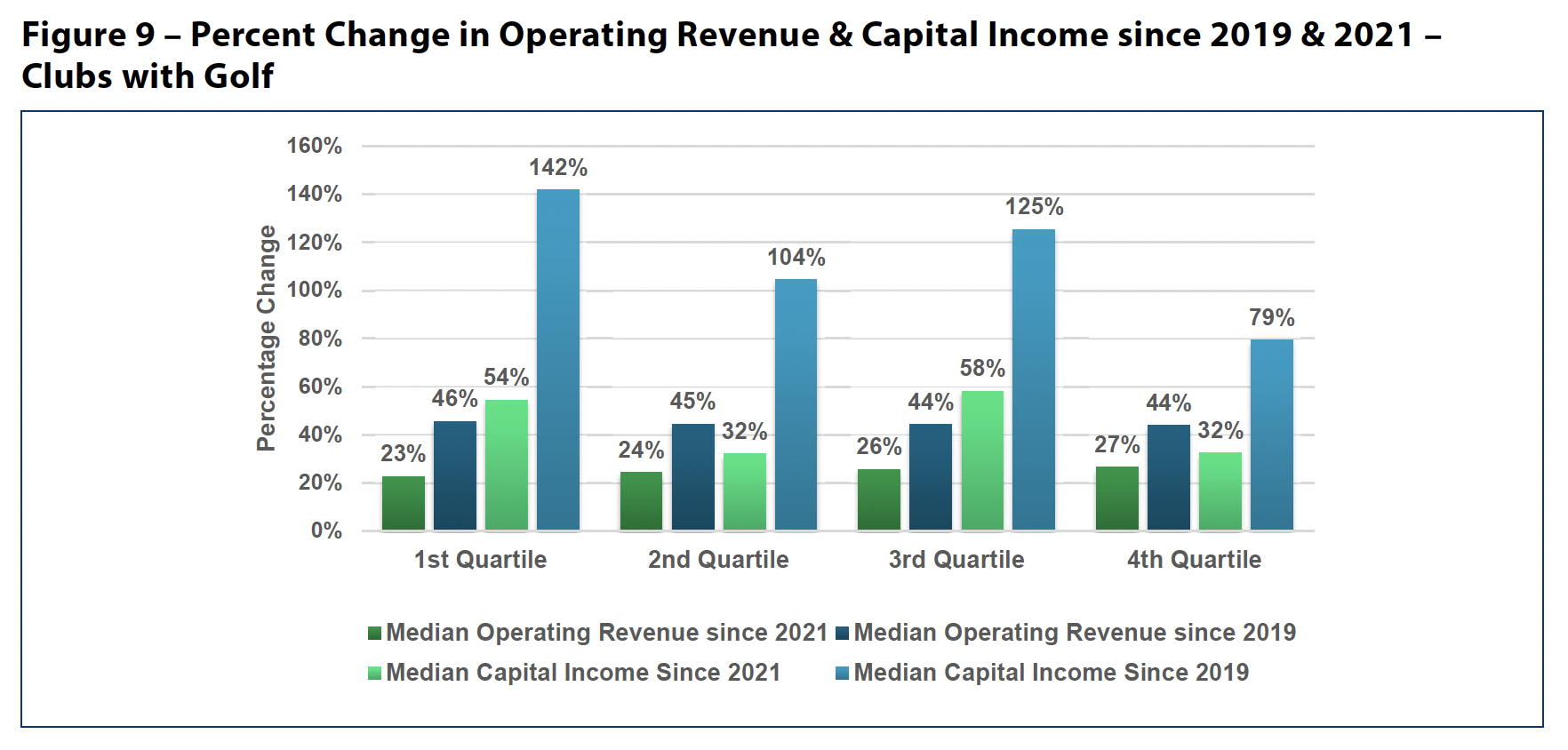
The following are takeaways from Figure 9 for Clubs with Golf:
Smaller Clubs Show Strong Capital Gains Since 2019
- Continuing trends from last year’s Finance & Operations Report, smaller clubs have experienced significant capital income growth since 2019. However, larger clubs are beginning to catch up, as shown by the lightest blue bar in Figure 9, particularly in the second and third quartiles, which saw increases of 104 percent and 125 percent, compared to 80 percent in the fourth quartile.
- This earlier growth among smaller clubs was largely driven by external market forces during the pandemic (e.g., increased demand for golf), rather than strategic planning or investment. Now, with an additional year of data (2023–2024), larger clubs are showing stronger capital income growth, fueled by intentional increases in capital dues and other funding channels.
- As the advantages of the work-from-home era begin to fade, smaller clubs must focus on sustaining both operating and capital revenue streams to preserve and enhance the member experience.
Operating Revenue Growth Becoming More Balanced Across Club Sizes
While last year’s report showed slower growth in operating revenue for smaller clubs between 2022 and 2023, the 2024 data indicates a more consistent increase in operating dues across all quartiles.

Best Practices
Member Legacy Succession Planning: The Emerging Challenge for Legacy Membership at Clubs with Real Estate
Over the past decade, in our work with private clubs and residential communities, we've observed a recurring issue: many clubs lack a clear plan for how membership is passed down or transferred when it is tied to real estate ownership.
“I bought this property to keep in our family and pass down to my kids, but my membership is limited to a single homeowner. How do I choose from my multiple children, who gets it, and who gets membership access?”
Private clubs and communities linked with real estate face significant challenges related to succession planning as memberships transition from older generations to younger heirs. Statistically, we are experiencing the "Great Wealth Transfer," which involves approximately $84.4 trillion passing from Baby Boomers to Gen X and Millennials by 2045. How clubs manage these transitions could significantly impact their long-term sustainability and cultural integrity.
Understanding the Great Wealth Transfer
The current transfer of wealth is unprecedented, with Baby Boomers holding nearly half of all US wealth. As their heirs inherit significant assets, including real estate sometimes tied to private club memberships, clubs are entering uncharted territory. Questions of membership continuity and legacy preservation are rising to the forefront, with few established policies to guide the transition.
The Challenge of Legacy Memberships
While real estate can often transfer seamlessly from parent to child, complications arise when a club membership is tied to the property. Many HOA and POA policies restrict multiple owners or memberships per property, which limits the accompanied and unaccompanied use of club amenities and services. Modern family structures add complexity, as multiple heirs may be involved, yet club and association policies often allow membership transfer to only one heir. This creates tension between the original or current owner's intentions and the policy’s unintended consequences. Clubs must navigate the delicate balance of honoring family relationships, preserving tradition, and upholding the spirit of the original membership agreement.
Here are five strategies that have proven successful for clubs navigating legacy succession challenges:
- Revising policies to allow multiple heirs to join, using modified fees, special tiers, or priority waitlists to manage demand and fairness.
- Creating new membership categories designed for secondary heirs, offering limited access at reduced rates.
- Establishing clear pathways for additional heirs to purchase defined membership privileges, balancing inclusivity with financial sustainability.
- Expanding guest policies to permit extended family participation without requiring additional full memberships.
- Introducing special family membership structures that designate a primary member but allow for limited simultaneous or unaccompanied access by an additional family member.
Clubs must navigate several key considerations as they respond to this shift:
- Access management will be difficult, and technology should play a critical part.
- Keeping cultural integrity and maintaining club traditions while avoiding radical changes.
- Expanded facilities to support expanded usage.
- Guaranteeing long-term financial health despite policy adjustments.
- Transfer fees or some capital infusion upon transfer, as other traditional capital inflows won’t be available if real estate and memberships don’t turn.
Transparent communication is essential. Clubs should engage members through open dialogue, leveraging town halls, surveys, and, when appropriate, third-party facilitators, to build consensus and minimize conflict. Messaging and decisions must be grounded in data and aligned with industry best practices. Equally important is the development of clear, equitable, and legally sound succession policies. Clubs are strongly advised to consult experienced legal counsel to manage risk, resolve potential disputes, and ensure policies are enforceable and resilient.
Succession planning should be treated as a strategic priority, not an afterthought. Leading clubs are adopting the following best practices:
- Engaging stakeholders early in the process to promote inclusivity, broaden impact, and increase buy-in.
- Assessing the financial implications of expanded access. In many cases, clubs are already experiencing increased usage without corresponding contributions.
- Establishing transparent, equitable policies to ensure fairness across generations of members.
- Reviewing and updating policies regularly to reflect evolving family dynamics, demographic shifts, and economic realities.
Effective succession planning at real estate-based clubs, HOAs, and POAs is essential to the industry's long-term viability. The challenge lies in reimagining a sustainable model that preserves member value, experience, and legacy without being constrained by outdated policies or legacy structures. Equity refunds, rigid ownership rules, and static transfer policies must all be re-evaluated through the lens of today’s realities and tomorrow’s expectations.
Clubs that approach this transition with foresight and transparency will be best positioned to honor their heritage, strengthen intergenerational bonds, and remain relevant for decades to come. Proactive planning, clear policy frameworks, and ongoing member dialogue are not just helpful, they are critical to securing the future.
Best Practices by Ryan Doerr, President & CEO, Strategic Club Solutions
External Influences
DHS and DOL Release Fewer Additional FY2026 H-2B Visas
On December 31, 2025, the Departments of Labor and Homeland Security announced their intent to release 35,000 additional H-2B visas for Fiscal Year (FY) 2026. These visas will supplement the congressionally mandated 66,000 H-2B visas that are available annually. The H-2B visa allotment for the first half of FY2026 was exhausted on September 12, 2025.
This upcoming release represents a 50 percent reduction in the total supplemental visas released as compared to each FY from 2023 to 2025. In those years, approximately 64,000 additional visas were made available to businesses seeking seasonal or temporary workforce assistance. Further, these visas are being made available later than in previous years as well.
The Departments plan to focus the distribution of the additional H-2B visas to support American businesses in critical infrastructure sectors of the US economy, such as seafood, forestry, hospitality and tourism, transportation, and manufacturing.
The full details regarding the release of these additional H-2B visas, including any eligibility criteria and filing requirements, are expected in the coming weeks.
For the latest availability information, visit the Fiscal Year 2026 H-2B Cap Count webpage.
Podcast Spotlight
Growing in the Gap between the Golf Professional and Superintendent
At your club, there are two individuals who share one goal but have differing responsibilities that might seem to be cross purposes at times, the Golf Professional and the Superintendent. These individuals and their teams are responsible for delivering an exceptional golf experience. How can club management professionals support these individuals and help them meet the mission? In this episode of the Let’s Talk Club Management podcast, we’re joined by Paul Levy, PGA, and Armen Suny, Search Executives with KOPPLIN KUEBLER & WALLACE, to share their insights into how all parties can grow in this existing gap.

CMAA News & Announcements
The Upcoming 2026 CMAA World Conference & Club Business Expo: A Growth Opportunity for Club Management Professionals
The 2026 CMAA World Conference & Club Business Expo is coming up. Club management professionals from around the world will gather February 17-21, 2026, in Anaheim, CA, for the industry’s largest annual gathering. The event offers five days of energizing education, a two-day Club Business Expo, networking, and experiences—cultivated specifically for club management professionals. Will your club’s management team be attending?
Discover Innovation and Inspiration at the Club Business Expo
The Club Business Expo, February 19-20, provides an opportunity to harvest vibrant ideas and fruitful connections. This two-day experience is bursting with possibilities featuring more than 260 companies highlighting cutting-edge products and services for your club. Find your club’s next big idea and fresh insights in the New Product Showcase and Apparel Mart!
Gain New Insights and Ideas
With more than 65 educational offerings across all areas of club operations, attendees can learn directly from industry experts and key practitioners like lifelong hospitalian Bobby Stuckey and customer experience expert Elizabeth Dixon. Attendees can also create their own think tanks with Open Space and tap into the wisdom of other clubs. Additionally, the Idea Fair spotlights hundreds of club-tested solutions for event programming, staff recruitment and retention, communications, and more.
Recruit Next Generation Club Talent
CMAA’s on-site career resources offer clubs the opportunity to post club openings at no cost and engage directly with attendees seeking new positions. Further, attendees can participate in specifically designed networking sessions for professionals and student attendees. Clubs can highlight their internship and entry-level opportunities and meet directly with hospitality students from 40 hospitality programs around the country.
Regular registration discounts apply through January 15.